Tail Talk
Decoding Your Dog's Tail Wags: Understanding Canine Body Language.
By Cullen Reyneke posted July 31st 2025
5min read
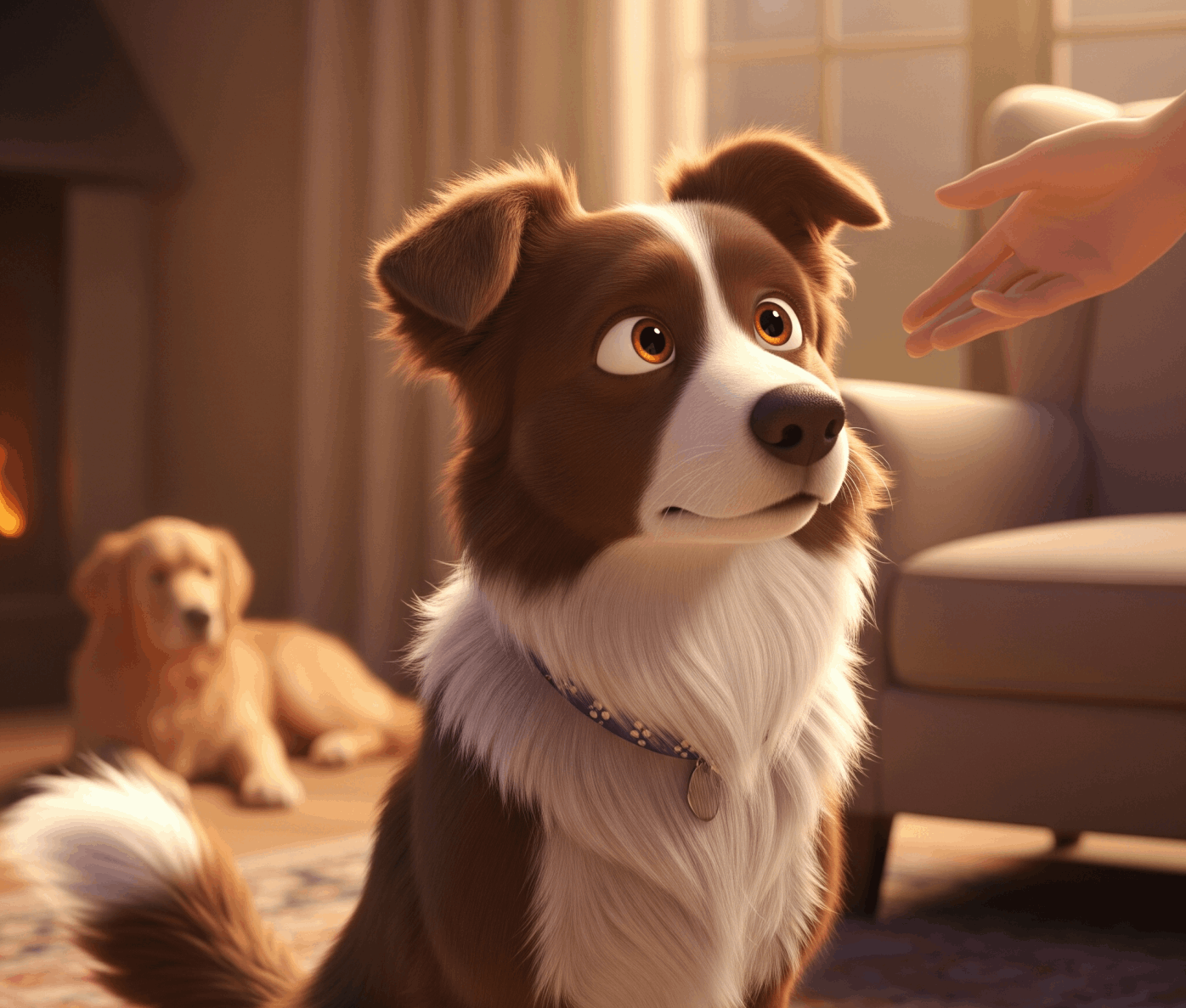
Decoding Your Dog's Tail Wags: Understanding Canine Body Language.
By Cullen Reyneke posted July 31st 2025
5min read
Have you ever caught your dog wagging their tail and thought, “Aww, they’re happy!” Well… maybe! But not all tail wags mean the same thing. In fact, your dog’s tail, ears, and overall body posture are part of a secret language they’ve been trying to teach you all along.
At PetWatchmen, we believe that better understanding of your dog leads to a better bond, and maybe fewer chewed shoes.
Big, loose wag with a wiggly butt
This is the classic happy dog greeting! It often means excitement and friendliness, especially when their whole body gets in on the action. You’ve probably seen this when you come home from work or pull out the leash for a walk.
Tail high, wagging stiffly
This isn’t a happy-go-lucky wag. A high, stiff tail wag can signal alertness, tension, or even dominance. If your dog is focused on something (like another dog), this is their version of “I’m watching you.”
Tail low and slowly wagging
This one’s more subtle. It often means your dog is unsure or feeling cautious. It’s their way of saying, “I’m trying to figure out what’s going on here.”
Tail tucked between legs
Classic sign of fear, nervousness, or submission. If you see this, your dog may be uncomfortable, and it’s best to give them some space or remove them from the situation if needed.
Ears perked up and facing forward
Curiosity mode activated! Your dog is alert and interested in something.
Ears flat or pinned back
This could be a sign of fear, submission, or anxiety. Sometimes it also means they’re trying to appease you, like when they know they’ve stolen your slipper (again).
One ear up, one ear down
Total confusion. Usually accompanied by a tilted head. Adorable, and very “what did you just say?”
Loose, bouncy posture
Your dog is relaxed and ready to play. This is the golden zone of happiness!
Stiff body, frozen posture
This can indicate fear, aggression, or tension. If their body stiffens suddenly, especially with a direct stare, it’s a warning sign to back off or redirect the situation.
Play bow
You’ve seen it. Front paws stretched out, butt in the air, tail wagging. This is your dog saying “Let’s play!” It's one of the most joyful signals you’ll see.
Why It Matters
Understanding your dog’s body language can help you avoid misunderstandings, prevent unwanted behaviour, and build a deeper connection. You’ll know when your pup is happy, nervous, excited, or just plain overwhelmed.
And the more you tune into your dog, the better care you can give, whether it’s offering comfort, giving space, or heading out for that walk they’ve been not-so-subtly hinting at.
Need a helping hand (or paw)?
At PetWatchmen, we don’t just walk dogs, we understand them. We’re experienced in reading the subtle cues your pet gives, so they’re always in good hands. Whether it’s a high-energy pup needing a run or a shy dog who needs patience and trust, we’re here to help.
📲 WhatsApp or Call us to chat about your dog’s walking needs, we’d love to meet your four-legged friends.
Author Bio:
Cullen Reyneke is the founder of PetWatchmen, Alberton’s trusted dog-walking and pet care service. With a genuine love for animals and a keen eye for canine behaviour, Cullen helps pets stay active, healthy, and deeply understood, one walk at a time.

Contact PetWatchmen for anything you may need using any of the details here.